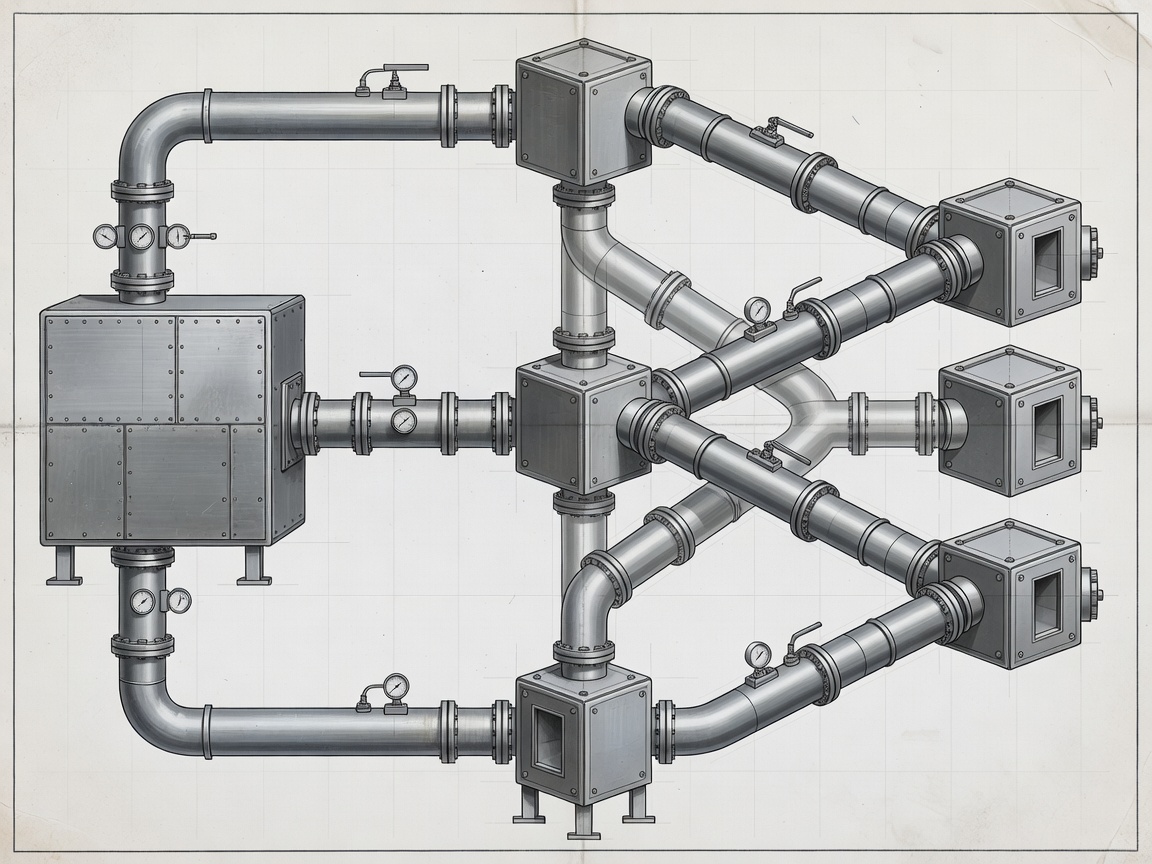
Frontier Foundation Models
Comprehensive evaluation of Claude 3.7 Sonnet, OpenAI o1/o3-mini, Gemini 2.0 Flash, and DeepSeek-R1. Analyzing chain-of-thought token economics, latency curves, and context retention across 1M+ token windows.
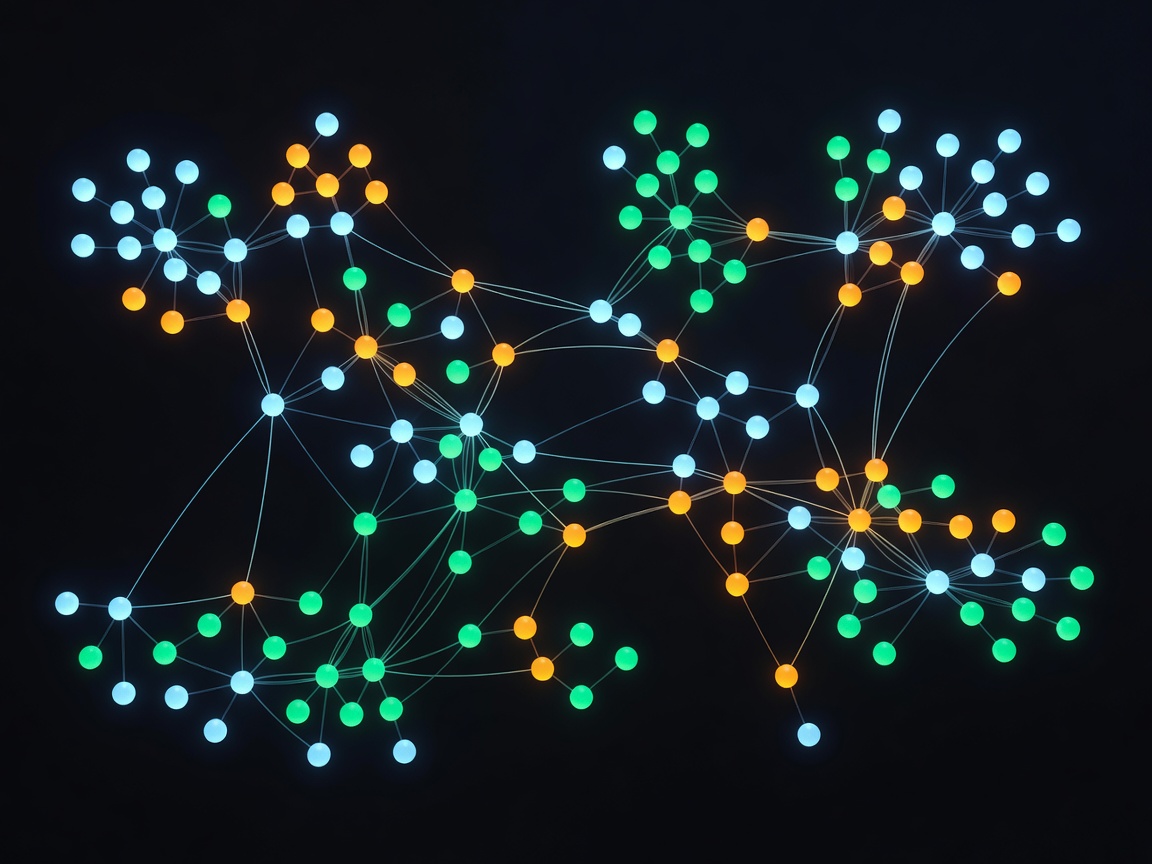
A rigorous, production-focused taxonomy dissecting next-generation artificial intelligence: from frontier reasoning weights and deterministic agent runtimes to self-healing workflow orchestrators.
Comprehensive evaluation of Claude 3.7 Sonnet, OpenAI o1/o3-mini, Gemini 2.0 Flash, and DeepSeek-R1. Analyzing chain-of-thought token economics, latency curves, and context retention across 1M+ token windows.
State machine runtimes, episodic memory serialization, and cyclic multi-agent coordination frameworks including LangGraph, AutoGen 0.4, and CrewAI for non-deterministic workflow execution.
Real-world deployments across balance sheet reconciliation, automated SEC filing cross-examination, Tier-3 customer service resolution, and end-to-end continuous code refactoring clusters.
Comparing low-code and code-first orchestration middleware. Structural breakdown of self-hosted n8n enterprise clusters, Make multi-region routing, Zapier Central agents, and Langflow server deployments.
Vector retrieval benchmarking (pgvector vs Qdrant), telemetry tracing with Arize Phoenix, automated red-teaming with Promptfoo, and deterministic unit-testing frameworks for non-deterministic outputs.
Standard vector lookup and prompt grounding without dynamic tool execution or iterative planning loops.
Conditional single-turn tool calls against strictly validated OpenAPI schemas with static rollback handlers.
Self-evaluating sub-agent swarms with episodic memory checkpoints and asynchronous human-in-the-loop gates.
Self-monitoring, self-repairing agent clusters running continuous validation against corporate KPIs and guardrail matrices.